






Canal Saint-Martin:
A Neighborhood Worth Exploring
Canal Saint-Martin: A Neighborhood Worth Exploring
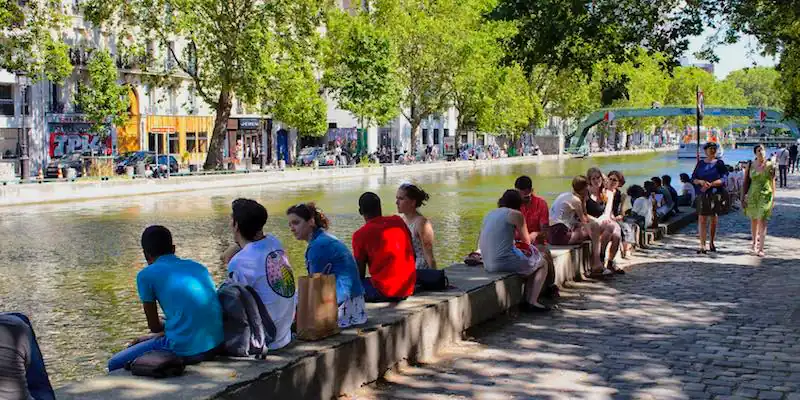 People gather along the Canal Saint-Martin on a warm afternoon
Canal Saint-Martin follows a two-kilometer stretch through eastern Paris, lined with plane trees, iron footbridges, working locks, and broad stone quays. In warm weather, people gather along the canal banks with lunch, a book, or a bottle of wine while boats work their way through the locks.
The streets around the canal are lined with boutique hotels, cafés, wine bars, neighborhood restaurants, bakeries, and local markets. Canal Saint-Martin has also become a popular area to stay, with more affordable hotels and good connections to the rest of Paris.
Life Around Canal Saint-Martin
 A green iron footbridge crosses Canal Saint-Martin – Wikimedia, Jasckal
Canal Saint-Martin still operates as a working waterway. Pleasure boats pass through a series of locks, while pedestrians cross the canal on iron footbridges that have become one of its defining features. Plane trees line much of the waterway, softening the stone embankments and framing long views along the canal.
Apartment buildings, boutique hotels, cafés, wine bars, bakeries, florists, and neighborhood epiceries fill the streets around the canal. Side streets return to the canal every block or two, so the water is rarely out of sight for long.
When the weather is warm, the canal becomes an outdoor meeting place. Groups settle along the stone embankments with takeaway food or a bottle of wine, while others pause to watch the lock gates open and boats continue their journey through the canal. Café terraces remain busy well into the evening.
Things To Do Near Canal Saint-Martin
 One of the working locks on Canal Saint-Martin - Mark Craft
Cruise Canal Saint-Martin
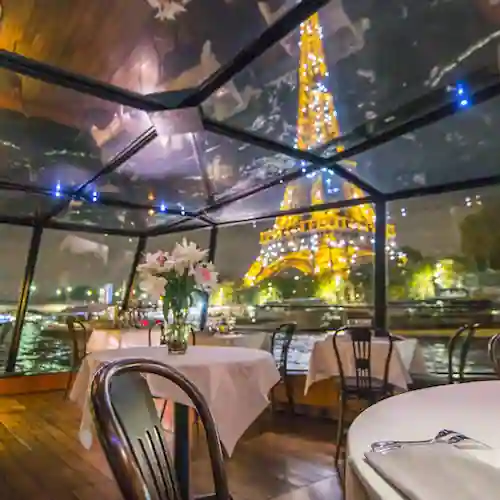
The afternoon cruise begins in Parc de la Villette, following Canal de l’Ourcq through the Bassin de la Villette before entering Canal Saint-Martin itself. One by one, the locks lift and lower the boat beneath iron footbridges and past the neighborhoods that line the canal. The journey then disappears into the tunnel beneath Place de la Bastille before emerging at Port de l’Arsenal and continuing along the Seine to Musée d’Orsay.
We like the afternoon departure because it begins with a walk through Parc de la Villette. Metro Line 5 to Porte de Pantin leaves a short stroll through the park to the departure dock, with time for lunch at Café de la Musique before boarding. The morning cruise follows the same route in reverse.
Taste Canal Saint-Martin On A Food Tour
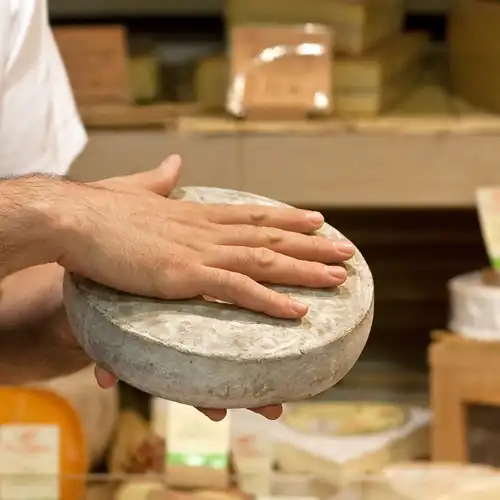
Canal Saint-Martin has become one of Paris's most interesting food neighborhoods, with independent bakeries, wine shops, cheese merchants, cafés, and small restaurants tucked into the streets around the canal. A guided food tour introduces the area through a series of tastings while stopping at businesses that other visitors would simply walk past.
The three-hour walking tour follows the canal and neighboring streets, combining generous tastings with stories about the neighborhood and its food culture. Arrive hungry.
Canal Saint-Martin Food Tour →
Learn About French Wine With A Sommelier
Just a few minutes from Canal Saint-Martin, Canons Canons hosts small-group wine tastings led by a professional sommelier. Independent wines from across France are served with carefully chosen charcuterie and artisan cheeses, while you'll learn how to taste, compare, and pair different styles of wine.
The tasting takes place inside the shop's urban wine cellar, where one of the wines is drawn directly from the barrel. Evening sessions include five wines, while shorter lunchtime tastings feature four. Reservations are recommended.
French Wine Tasting With A Sommelier →
Where To Stay Near Canal Saint-Martin
 The lobby of Hôtel Fabric, a boutique hotel in a former textile factory
Canal Saint-Martin has become one of the more interesting places to stay in Paris. Boutique hotels occupy former workshops and apartment buildings on the streets around the canal, with cafes, bakeries, and Metro stations all within a short walk.
Hôtel Fabric
Housed in a former textile factory, Hôtel Fabric pairs its industrial past with warm, contemporary interiors. The rooms are comfortable, the service receives consistently strong reviews, and Boulevard Richard Lenoir and Canal Saint-Martin are both a short walk away. It is our first choice for staying in the neighborhood.
Le Mareuil
A quiet street between Place de la République and Canal Saint-Martin is home to Le Mareuil, a contemporary boutique hotel with a small spa, sauna, and hammam.The rooms have modern interiors, and the hotel includes a small spa with a sauna and hammam. The canal, the Marais, and the Bastille are all within reach on foot or by Metro.
Hôtel Marais Bastille
Despite its name, Hôtel Marais Bastille is neither in the Marais nor at Place de la Bastille, but on Boulevard Richard Lenoir — near both but definitely part of the Canal Saint-Martin quartier. The hotel has a rooftop terrace, garden, and library, while Bréguet-Sabin Metro station is just around the corner.
Markets, Boulangeries & Épiceries
 Fresh bread arrives at Du Pain et des Idées - Mark Craft
The streets around Canal Saint-Martin are known for independent food shops as much as their cafés and restaurants. Traditional boulangeries, neighborhood épiceries, specialty cheese shops, and covered markets remain part of daily life here.
Du Pain et des Idées
Du Pain et des Idées is a traditional Paris boulangerie on Rue Yves Toudic, a few minutes from Canal Saint-Martin. Baker Christophe Vasseur left the fashion industry to open the shop in 2002, earning Gault Millau's award for Paris's best boulangerie a few years later.
The beautifully preserved Belle Époque interior is almost as memorable as the baking itself. Country breads, seasonal pastries, and the bakery's pistachio escargots fill the counter.
Julhès
What began as a family épicerie in 1996 has grown into a collection of neighboring specialty food shops a short walk from Canal Saint-Martin. Rather than browsing a single gourmet store, you move from the fromagerie to the boulangerie, wine shop, pâtisserie, and épicerie, each devoted to its own specialty. Whether you're assembling a picnic beside the canal or taking home French ingredients, Julhès is one of the neighborhood's best places to shop.
Browse A Neighborhood Market
Within walking distance of Canal Saint-Martin are two covered market halls and an open-air neighborhood market. Shopping here means buying from poissonniers, fromagers, bouchers, produce vendors, and boulangers — all under one roof or in one central location
Marché Saint-Quentin occupies a 19th-century iron-and-glass hall filled with food merchants, cafés, and places to eat. Marché Saint-Martin is a smaller covered market with butchers, fishmongers, produce vendors, and specialty food shops. On market days, Marché Alibert fills Rue Alibert with open-air stalls selling fruit, vegetables, flowers, and other fresh foods.
A Brief History Of Canal Saint-Martin
 Canal Saint-Martin disappears beneath Boulevard Richard-Lenoir - Mark Craft
Canal Saint-Martin was conceived by Napoleon Bonaparte in 1802 as part of a plan to bring fresh drinking water into Paris and create a navigable route between the Canal de l'Ourcq and the Seine. Construction began in 1805, and after years of engineering work, the canal opened in 1825 with nine locks and several movable bridges.
By the middle of the 19th century, Paris had outgrown its medieval street plan. During Baron Haussmann's transformation of the city, the section of Canal Saint-Martin between Place de la Bastille and what is now Place de la République was covered to create the broad boulevard above it. Rather than filling in the canal, engineers built a tunnel beneath the new boulevard, allowing boats to continue using the waterway while the city expanded overhead.
Freight traffic declined during the 20th century, but Canal Saint-Martin survived as a working waterway. Today, pleasure boats still pass through the locks and disappear beneath Boulevard Richard-Lenoir before emerging again near the Bastille.
Inspector Maigret's Canal Saint-Martin
Long before Canal Saint-Martin became known for cafés and wine bars, Georges Simenon's Inspector Jules Maigret called the neighborhood home. The fictional detective lived on Boulevard Richard-Lenoir, directly above the section of the canal hidden beneath the boulevard, and returned there throughout the series of novels published between the 1930s and the 1970s.
Simenon never revealed Maigret's exact address. Readers have spent decades trying to identify the apartment, but Boulevard Richard-Lenoir keeps its mystery.
Canal Saint-Martin FAQs
WHERE IS CANAL SAINT-MARTIN?
Canal Saint-Martin runs through the 10th arrondissement from the Bassin de la Villette toward Place de la République. It then continues underground beneath Boulevard Jules-Ferry and Boulevard Richard-Lenoir before reaching the Bassin de l’Arsenal near Bastille.
HOW DO YOU GET TO CANAL SAINT-MARTIN?
République, Jacques Bonsergent, Goncourt, and Jaurès are the most useful Metro stations. Jacques Bonsergent and Goncourt bring you close to the locks and footbridges, while Jaurès is near the Bassin de la Villette.
CAN YOU TAKE A CRUISE ON CANAL SAINT-MARTIN?
Yes. Canal cruises pass through the working locks, beneath the movable bridges, and through the underground section below Boulevard Richard-Lenoir. Some routes continue to the Seine.
WHY DOES CANAL SAINT-MARTIN DISAPPEAR UNDERGROUND?
Part of the canal was covered during Baron Haussmann’s transformation of Paris in the 19th century. Engineers preserved the navigable waterway beneath new boulevards connecting Place de la République with Bastille.
Continue Planning Your Paris Visit
Where To Stay In Paris →
Paris Neighborhoods →
How Many Days In Paris →
Paris For First-Time Visitors →
City of Paris: Events & News →
Find Your Paris Hotel: Choosing The Right Area
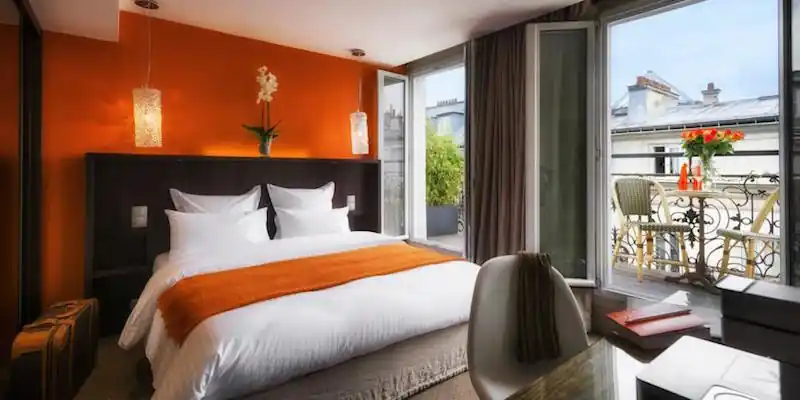
Wake up near the cafés of Saint-Germain, the streets of the Marais, or the village lanes of Montmartre. Find a Paris hotel in the neighborhood you want to call home.