







Paris Ballet: Where To See Performances & How To Choose
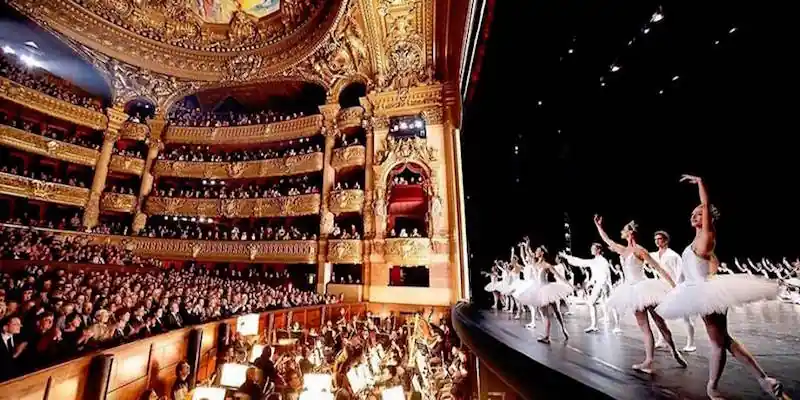 A ballet performance at the Palais Garnier in Paris
Paris remains one of the defining cities for classical ballet, anchored by the Paris Opera Ballet and its two stages, Palais Garnier and the Opéra Bastille. Alongside the traditional repertoire, the program includes a steady mix of contemporary and modern dance, particularly at Garnier, where newer works are likely to be staged.
Choosing a performance means deciding on both the program and the venue. The two opera houses offer very different settings, and productions run in short series that change regularly throughout the season. Popular titles sell out early, especially at the Palais Garnier, so availability often determines what you see.
Where To See Ballet In Paris
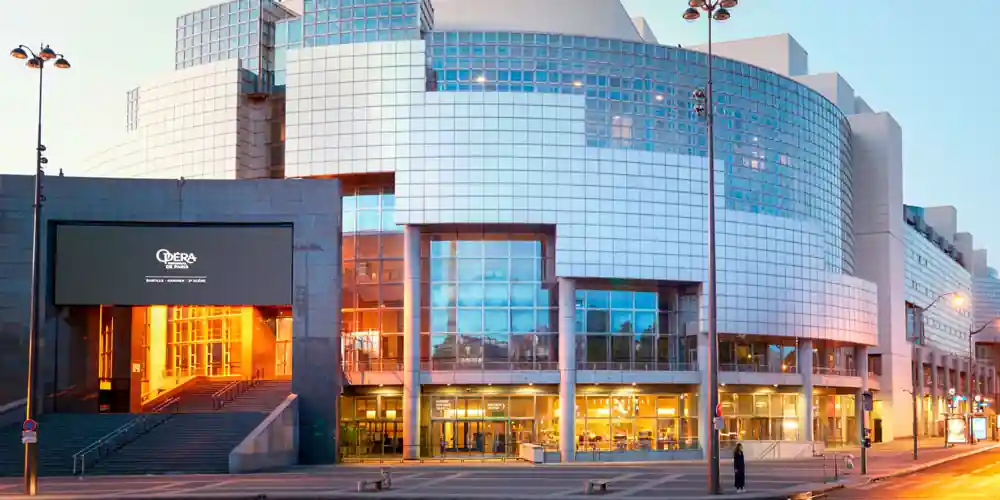 Opéra Bastille, the modern stage for large productions
Ballet in Paris is performed on two stages and presented by the Paris Opera Ballet: the Palais Garnier and the Opéra Bastille. Major dance productions appear at these venues, with the company dividing its season between them, including both classical ballet and contemporary dance.
The two theaters offer distinctly different settings. Palais Garnier is the historic house, smaller and more ornate, and often associated with classical works and special productions. Opéra Bastille is larger, more modern, and used for most of the big-scale performances. Choosing between them depends on the production as much as the setting, which makes checking the program essential before booking.
Palais Garnier or Bastille: Which to Choose
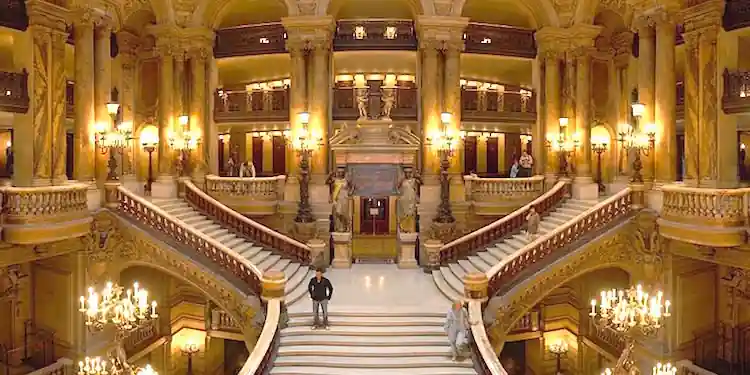 The grand staircase at the Palais Garnier
Choosing between Palais Garnier and Opéra Bastille depends first on the production. The Paris Opera Ballet assigns works to each stage based on scale, staging, and technical demands, so the program usually determines the venue.
Palais Garnier is the nineteenth-century opera house, with its ornate auditorium, painted ceiling, and gold detailing forming part of the experience as much as the performance itself. The Opéra Bastille is larger and designed for modern productions, with broader sightlines and a more contemporary setting. Garnier suits visitors who want the historic interior along with the performance, while Bastille suits those focused on the production itself.

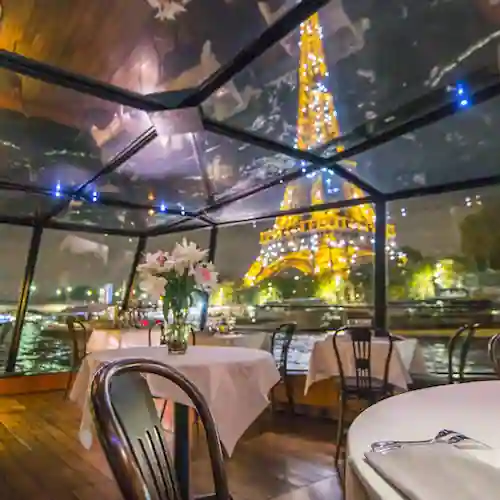
A Classic Seine Dinner Cruise
Dine on the Seine as Paris lights up around you, with French cuisine served aboard a glass-walled boat cruising past the Eiffel Tower, Notre-Dame, and Louvre.
Paris Opera Ballet: Classical & Contemporary
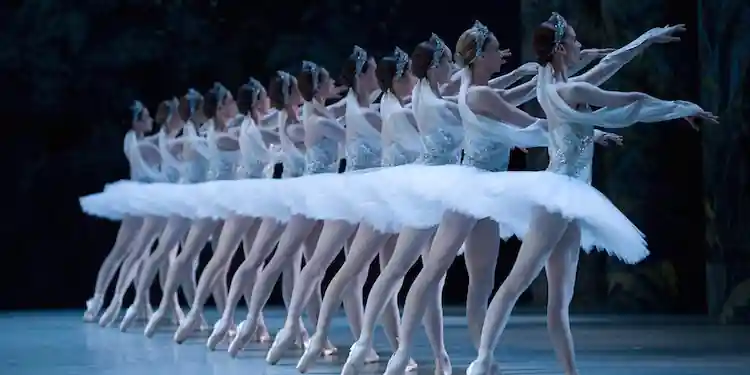 A classical ballet performed by the Paris Opera Ballet
The Paris Opera Ballet maintains one of the most established classical repertoires in Europe, with works such as Swan Lake, Giselle, and The Nutcracker appearing regularly in the program. These productions follow traditional staging and draw strong demand, particularly when performed at the Palais Garnier.
The company also stages works by modern and contemporary choreographers, often presented in mixed programs or shorter runs. One evening may be a full-length classical ballet, while another is a program of shorter contemporary works with different choreographers and styles.
Tickets & Booking Strategy
Tickets are released in phases, and popular performances sell out quickly, especially at Palais Garnier. Productions run for limited dates, so availability is tied to specific performances rather than the season as a whole.
Seats vary widely in price and location, from premium orchestra seats to higher tiers with a more distant view. Larger productions are often staged at the Opéra Bastille, where schedules and availability are listed as well.
z-continue-planning-your-paris-visit.shtml
Find Your Hotel In France
Sleep among the vineyards, beside the Mediterranean, or in the heart of a historic French city. Find highly-rated hotels for your travels beyond Paris.