



The Best Things To Do In Paris, From An Insider's View
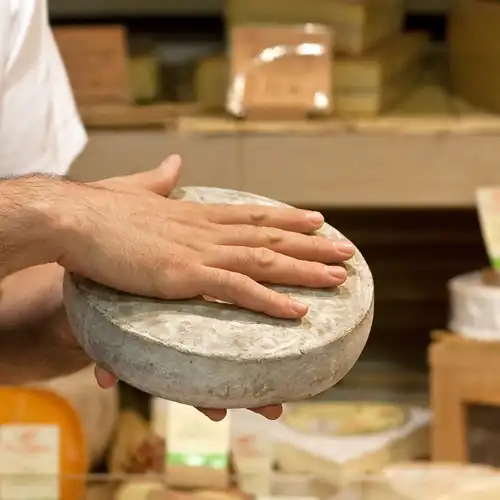
 On a guided food tour through the Paris neighborhoods
Paris offers more possibilities than any one trip can reasonably cover. Instead of attempting an exhaustive list, in this guide we zero in on the best things to do in Paris and tell you why. Instead of box‑ticking, we'll help you spend your precious Paris time on what truly matters.
Our ten standout experiences in Paris are aimed at both first‑time visitors and seasoned travelers, blending famous icons with distinctive, less tourist-saturated moments. Along the way, you will read about our recommended small‑group museum tours, the best day trips to Versailles, Seine River dinner cruises, top food tours, and market‑to‑table cooking classes. Relax, enjoy the good life in Paris with destinations that deliver rich, coherent, and memorable experiences.
1. Walk the Car‑Free Banks of the Seine
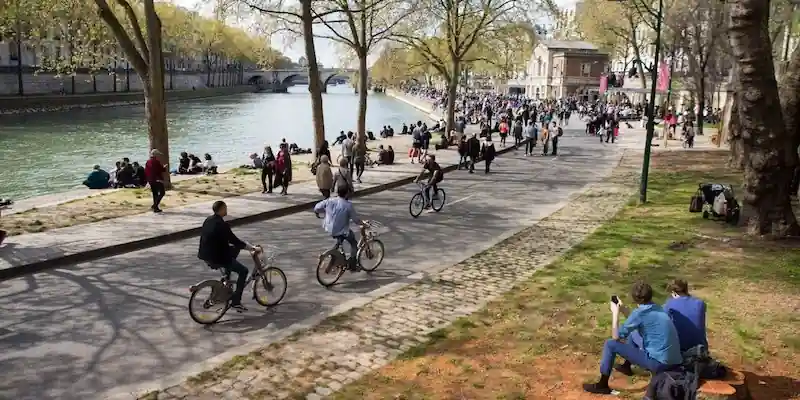 It's difficult to image that cars once sped through this peaceful riverside park
One of the simplest and most rewarding things to do in Paris is to walk along the car‑free embankments beside the Seine. Cars have been banned from the former busy traffic lanes and transformed into Parc Rives de Seine, with wide promenades for strolling, sitting at riverside bistros, watching boats drift by, and enjoying a greatest‑hits reel of landmarks — from the Louvre Museum and Île de la Cité to the Eiffel Tower. It's an ideal first‑day activity: no tickets, no fixed time, just a chance to stretch your legs and let the city come to you.
For a particularly memorable walk, aim for late afternoon into evening, when the light softens and the monuments start to glow. Start near the Louvre or the islands, follow the river west, and finish near the Eiffel Tower in time to board a Paris dinner cruise boat that shows you the city lit up at night. A good cruise combines easy sightseeing with a classic French meal — your first day in Paris feels both festive and memorable.
2. Paris by Night – Seine Dinner Cruise
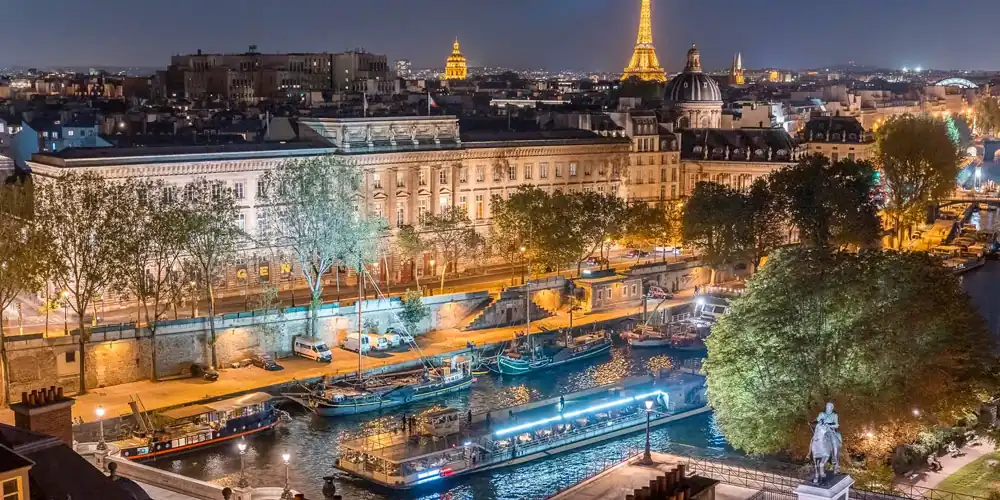 A dinner cruise boat wends its way between the Paris islands
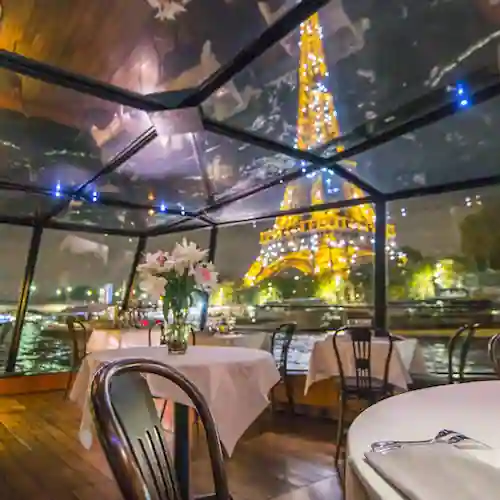
Paris dinner cruises on the Seine combine sightseeing, atmosphere, and a leisurely meal in a single evening, which is why they sit high on the list of things to do for almost any traveler. As you linger over your courses, the boat slips past illuminated monuments, graceful bridges, and lively riverside promenades, giving you an unusually clear sense of how the city fits together after dark. The reflections of Notre-Dame , the Louvre, the Grand Palais, and the Eiffel Tower in the river turn what could have been just another dinner into an experience that will stay with you for a long time.
Over the course of a dinner cruise, Paris slowly becomes a moving postcard outside your window while the meal unfolds at an easy, unhurried pace. The most rewarding departures let you watch the sky fade from late‑afternoon glow to inky blue as the river darkens and the monuments flicker on one by one, until the Eiffel Tower itself is sparkling just beyond the glass. Booking a Seine River dinner cruise in advance means you can simply step on board, sit down to a classic French meal with wine, and spend the evening watching the city drift by like a film made just for you.

3. Versailles: A Day of Royal Splendor
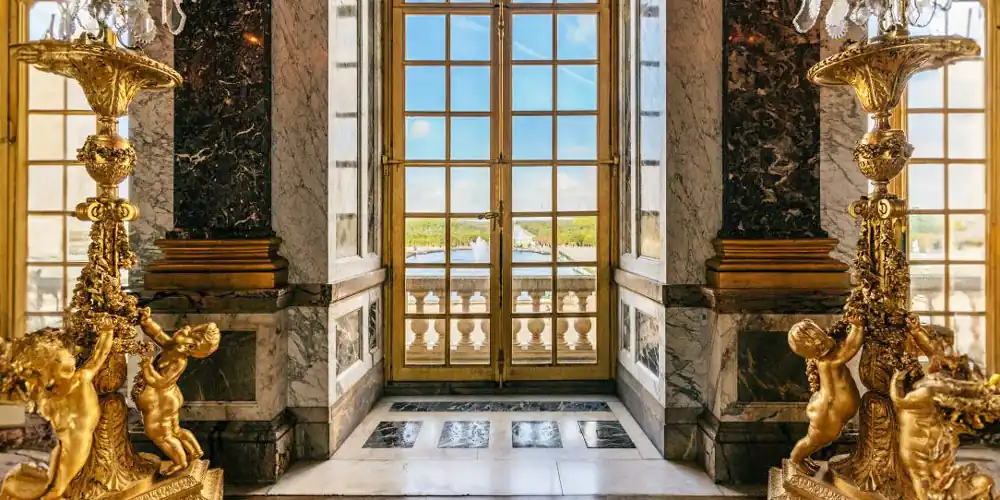 A not-to-miss view over the gardens and ponds from the royal palace of Versailles
A visit to Versailles is one of those classic Paris experiences that fully deserves its reputation. The catch is that it is also one of the easiest places to lose time to queues and logistics, from navigating the RER trains to sorting out tickets. Rather than tackling all of that on your own, we also opt for a small‑group guided tour with transportation from Paris included — we are picked up in the city, guided past the main entry bottlenecks, and taken straight to the essentials: the Hall of Mirrors, the royal apartments, and the sweeping garden vistas.
The most rewarding Versailles days strike a balance between structure and free time. After the guided tour of the chateau, you are left to follow your own rhythm in the formal gardens, linger over lunch, detour to the Grand and Petit Trianon, or stroll down toward the Grand Canal. With transportation and entry already taken care of, Versailles shifts from a logistical puzzle to a relaxed day of discovery
4. Louvre & d'Orsay: Guided Tours of the Masterpieces
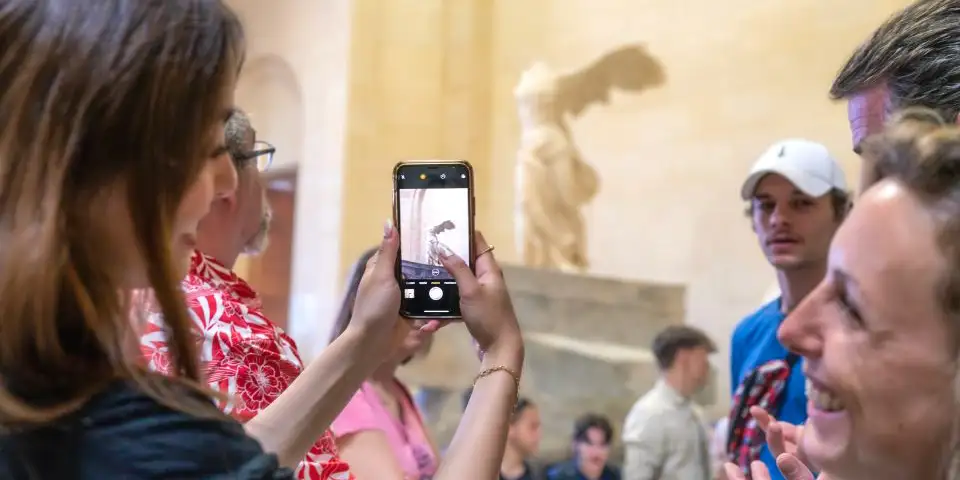 A small group on a masterpieces of the Louvre guided tour
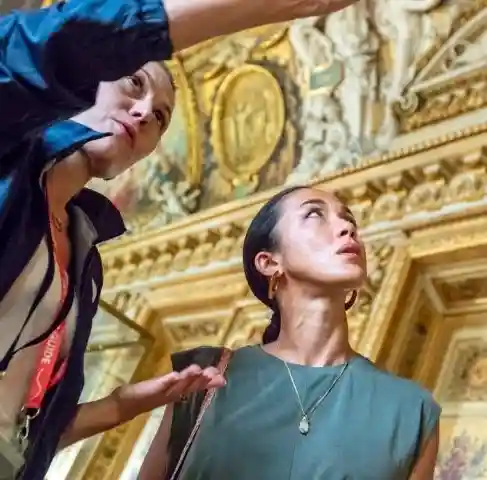
The Louvre and Musee d'Orsay are two of the top reasons people come to Paris, yet they can be overwhelming if you go on your own to face the daunting ticket lines. Once inside, crowds are dense and it is not always obvious how to find the works you care about most. A skip‑the‑line guided tour solves much of this by getting you past the main lines, leading you to key pieces, and providing context that helps the art stay with you after you leave.
Book a morning guided tour at each museum on different days, and let someone else worry about the entry, the route, and the clock. Once the tour ends, you are free to stay inside the museum as long as you like, returning to favorite rooms or slipping into quieter corners (yes, they exist!) that match your interests. With a guide handling orientation and storytelling, the Louvre and Orsay stop feeling like intimidating mazes and start to feel like rich, approachable collections you can actually enjoy.
5. The Smaller Museums: Beyond the Blockbusters
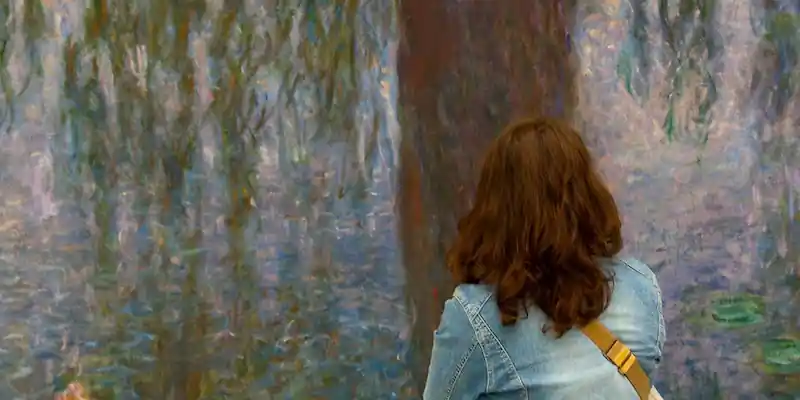 A woman studies a panel of Monet's lily pond paintings, photo by Mark Craft, 2009
Paris boasts a wide range of smaller museums that make it easier to see art without committing half a day or navigating large crowds. Their scale is manageable, the layouts are straightforward, and the focus is usually narrow, which helps you stay oriented and take in what you're seeing without fatigue.
L'Orangerie is best known for Monet's large water lily panels, installed in rooms designed specifically for them, alongside a compact collection of early 20th-century works assembled by dealer Paul Guillaume. The Rodin Museum combines indoor galleries, outdoor sculpture, and the artist's former studio, giving clear context to the work on display. Visits like these fit comfortably between other plans and work well when you want a museum stop that feels complete rather than demanding.
Paris Museum Guides
6. The Marais: A Neighborhood on Foot
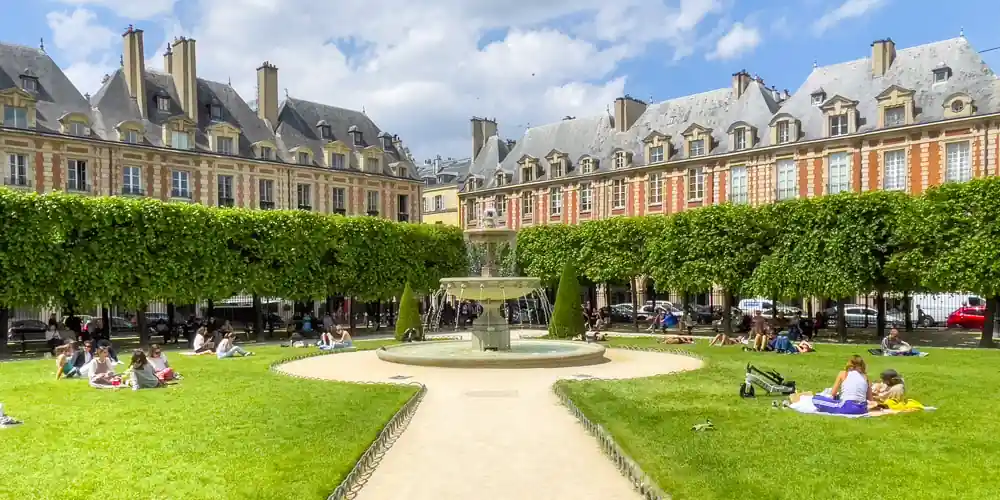 Place des Vosges, located in the Marais, photo by Mark Craft, 2024
The Marais packs a remarkable amount into a small area: narrow medieval streets, grand townhouses, long-established shops, museums, and cafes that are used daily by the people who live nearby. It's a neighborhood where the street layout itself tells a story, from former aristocratic quarters to busy commercial streets that still revolve around food, fashion, and everyday errands.
A guided walking tour or food-focused tour in the Marais helps bring those layers together as you move through the neighborhood. Instead of walking past façades and intersections without understanding, you get clear explanations of what you're seeing and why it looks the way it does. Food tours ground the walk in daily life, stopping at bakeries, markets, and shops that reflect how the Marais actually functions today. The result is a walk that feels grounded and engaging, not just scenic.
7. Paris Food Markets, Up Close
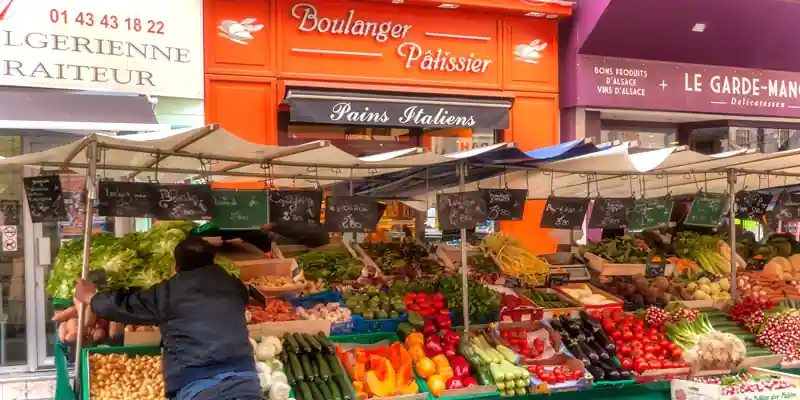 Stalls and food shops at the Aligre market, photo by Mark Craft, 2012
Paris food markets are working markets first, not attractions. Parisians come to buy produce, cheese, meat, and prepared food for the day, from the same vendors they've used for years. For visitors, the challenge isn't interest, it's knowing how to read what's in front of you — what's seasonal, what's worth buying, and what's simply there for display.
A guided market visit or food-focused walk helps make sense of that quickly. You see how stalls differ, why certain items appear repeatedly, and how people actually shop here. Markets like Marché d'Aligre or Marché des Enfants Rouges stop feeling chaotic and start feeling practical. Once you understand how they function, they become useful places to pick up lunch, assemble a picnic, or simply observe daily routines without guessing your way through.
8. Take a Guided Food Tour in Paris
 At a wine and cheese tasting lunch near the Louvre
A food tour offers a clear and easy way to understand eating in a Paris neighborhood. Rather than choosing shops at random, on a tour you visit a small number of established places and learn what each one specializes in, how people use them, and why certain addresses endure.
The value of a guided tour lies in selection and explanation. You see how bakeries, cheese shops, wine merchants, and market stalls fit into everyday routines, and how neighborhoods develop their own food habits over time. By the end of the tour, you're not just well fed — you have a short list of places you're familiar with and and can return to confidently later in your trip.
9. Cooking & Baking Classes in Paris
 Making French macarons in Paris
Cooking and baking classes offer a hands-on way to understand French food beyond restaurants and menus. Instead of ordering a finished dish, you see how it's put together step by step, working with a professional chef who explains technique, ingredients, and process as you go.
Some classes take place entirely in the kitchen, focusing on breads, patisserie, or classic dishes. Bit, our favorite classes begin with a market visit, where you shop for ingredients before returning to cook. In both formats, you leave with a clear sense of how familiar foods are made, what goes into them, and how small decisions affect the final result — knowledge that carries into the rest of your meals in Paris and beyond.
10. Paris Neighborhoods Away From the Crowds
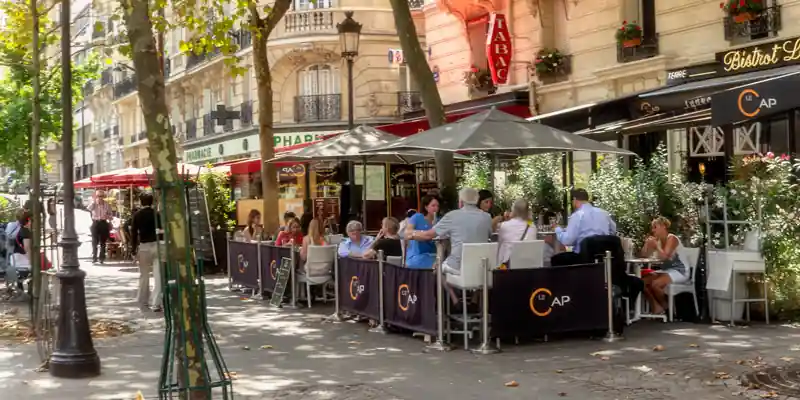 Residents of the 15th Arrondissement dining en plein air, photo by Mark Craft, 2015
Not every part of Paris revolves around major sights. Some of the most satisfying and revealing walks happen in areas where daily routines take precedence over monuments. Residential streets, canals, parks, and outlying arrondissements show how the city lives and works outside its busiest zones.
These walks don't require planning or a destination. Following a canal, crossing a park, or walking through residential neighborhoods gives you a clearer sense of the scale and pacing of the city, especially when balanced against museum visits and other tourist activities. You notice how streets are used, how people move through their day, and how different parts of the city have a distinct rhythms once you step away from the most visited areas.
BONUS: Dining at Paris Bistros
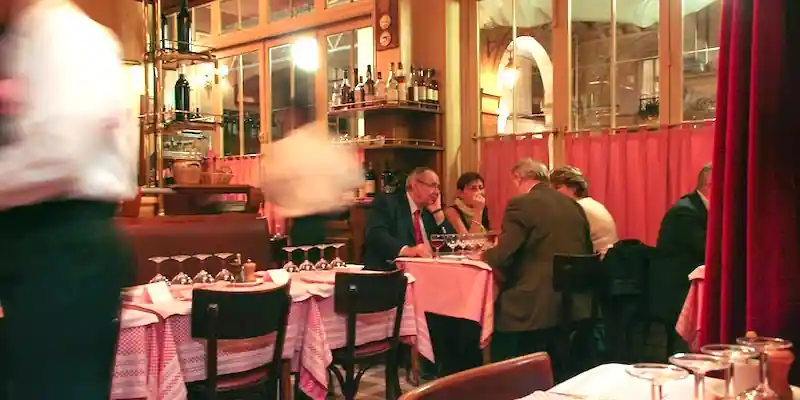 La Fontaine de Mars, a bistro in the 7th, photo by Mark Craft, 2006
A traditional Paris bistro is usually a small room with close tables, a short menu, and a pace set by the kitchen rather than the dining room. You hear plates landing, glasses clinking, and conversation carrying across the room. You order duck magret, escargot, steak-frites, or whatever is written on the chalkboard that day, and you trust that it will arrive exactly as it should.
The best bistros stick to what they know. Dishes repeat reliably, recipes don't drift, and the rhythm of service stays the same year after year. Knowing the difference between bistros, brasseries, and cafes helps set expectations, but good recommendations matter more than addresses. Making dinner reservations at a few good bistros removes uncertainty and lets you plan the rest of the day around dinner rather than scrambling at the last minute.
Best Things To Do In Paris: FAQs
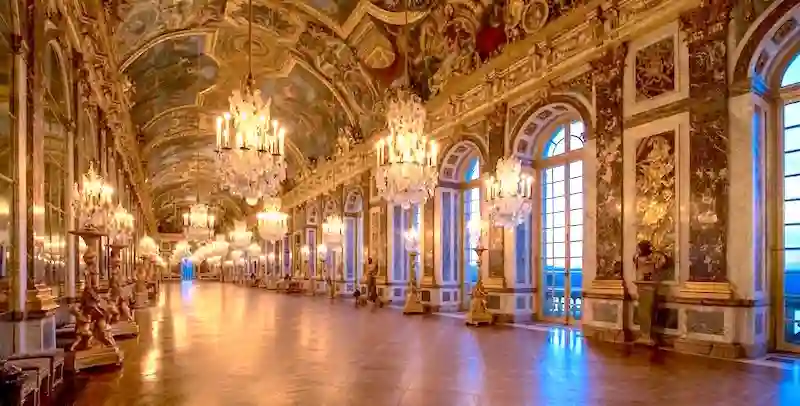 A visit to Versailles should be booked in advance
HOW MANY OF THESE EXPERIENCES SHOULD I PLAN IN ADVANCE?
Plan the things that involve tickets, fixed start times, or small groups. Museums, guided tours, food tours, cooking classes, and a few dinners are easier and more predictable when booked ahead. Walking neighborhoods, visiting markets, and casual meals work well without reservations.
DO I NEED GUIDED TOURS FOR EVERYTHING DISCUSSED IN THIS ARTICLE
Guided tours are most helpful when access or planning would be hard to manage on your own. Large museums, Versailles visits, food tours, markets, and cooking classes are easier and more relaxed when the details are handled for you. Walks along the Seine, neighborhood wandering, and casual meals are easy to do independently.
HOW DO I BALANCE ALL THIS WITHOUT OVERFILLING MY DAYS?
Don't stack similar activities back to back. Pair a museum tour with walking or a long lunch rather than another timed activity. Market visits make more sense earlier in the day, when stalls are fully set up and energy is higher. If one part of the day is fixed, leave the next part open. That spacing keeps days full without making them feel rushed.
HOW DO I DECIDE WHAT'S WORTH BOOKING AHEAD AND WHAT CAN WAIT?
Book in advance experiences with limited access or fixed schedules, such as major museums, guided tours, cooking classes, and popular restaurants. Leave walking, markets, and casual eating flexible. When something is likely to sell out or clearly benefits from a guide, it's worth planning in advance.
Continue Planning Your Paris Visit
Where To Stay In Paris →
Paris Neighborhoods →
How Many Days In Paris →
Paris For First-Time Visitors →
City of Paris: Events & News →
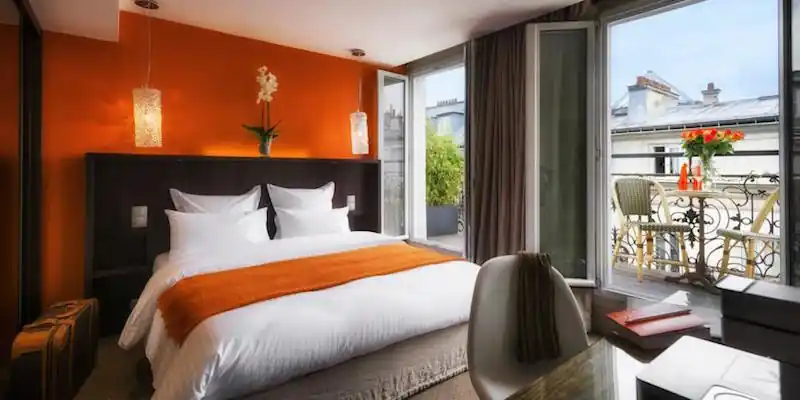
Find Your Paris Hotel: Choosing The Right Area
Wake up near the cafés of Saint-Germain, the streets of the Marais, or the village lanes of Montmartre. Find a Paris hotel in the neighborhood you want to call home.