



Fondation Cartier:
Contemporary Art At Palais-Royal
Fondation Cartier: Contemporary Art At Palais-Royal
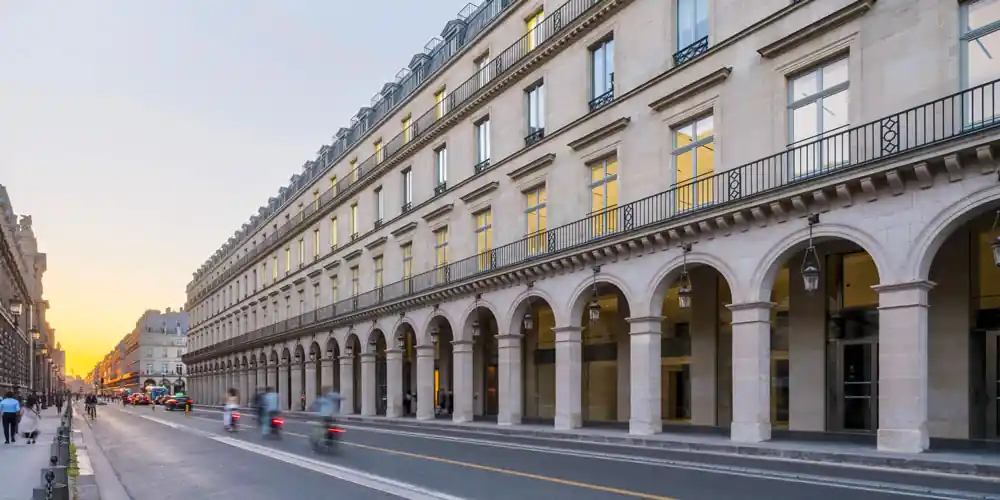 Fondation Cartier at Palais-Royal – Fondation Cartier, Martin Argyroglo
The Fondation Cartier has entered a new chapter in Paris. Since moving to Place du Palais-Royal, opposite the Louvre, the museum has brought its changing program of contemporary art into the center of the city while remaining unlike any other major museum in Paris.
There is no permanent collection to work your way through. Every exhibition transforms the galleries with new artists, installations, photography, architecture, film, or design. If you've visited before, the next exhibition will almost certainly be different.
A Museum Without A Permanent Collection
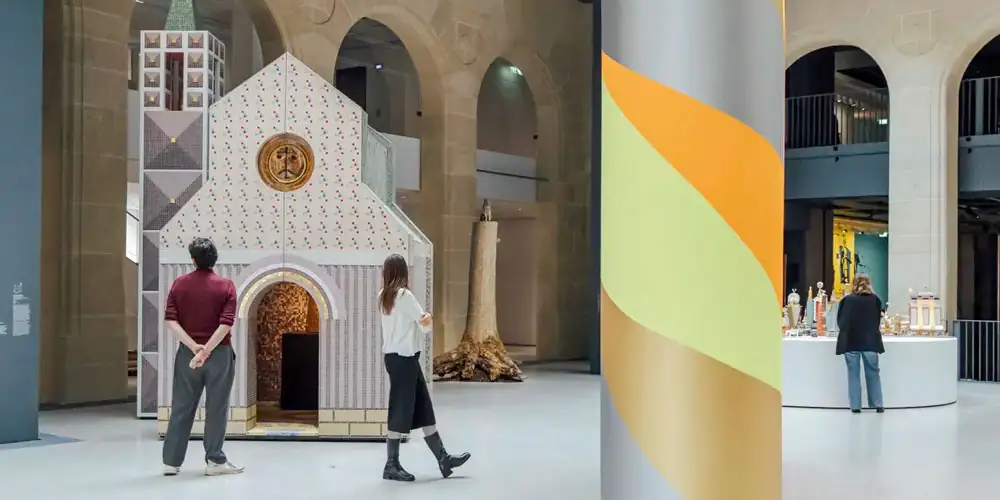 Contemporary art on display at Fondation Cartier – Fondation Cartier, Guillaume Ziccarelli
Most museums are defined by the works they own. Fondation Cartier is defined by its space and the exhibitions it creates.
Since opening in 1984, the Fondation has presented artists from around the world alongside architects, scientists, filmmakers, photographers, designers, and musicians. The move to Palais-Royal gives those exhibitions a much larger and more flexible home designed by Jean Nouvel inside the former Louvre des Antiquaires building, once home to hundreds of art and antiques dealers.
Jean Nouvel's New Museum
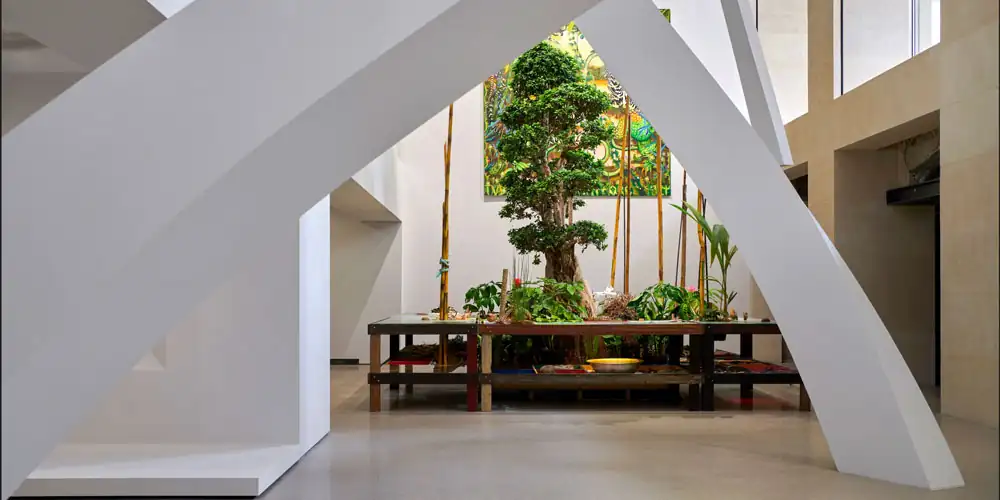 Inside Fondation Cartier's new museum – Jean Nouvel/ADAGP, Marc Domage
The Fondation Cartier occupies a nineteenth-century building at 2 Place du Palais-Royal, directly opposite the Louvre. Architect Jean Nouvel redesigned the interior as a series of flexible exhibition spaces where galleries can expand, contract, or be completely reconfigured for each exhibition.
Large openings connect the galleries with the streets and arcades outside, bringing natural light into the building and creating views across Place du Palais-Royal. Like the exhibitions themselves, the building changes from one visit to the next.
Every Exhibition Is Different
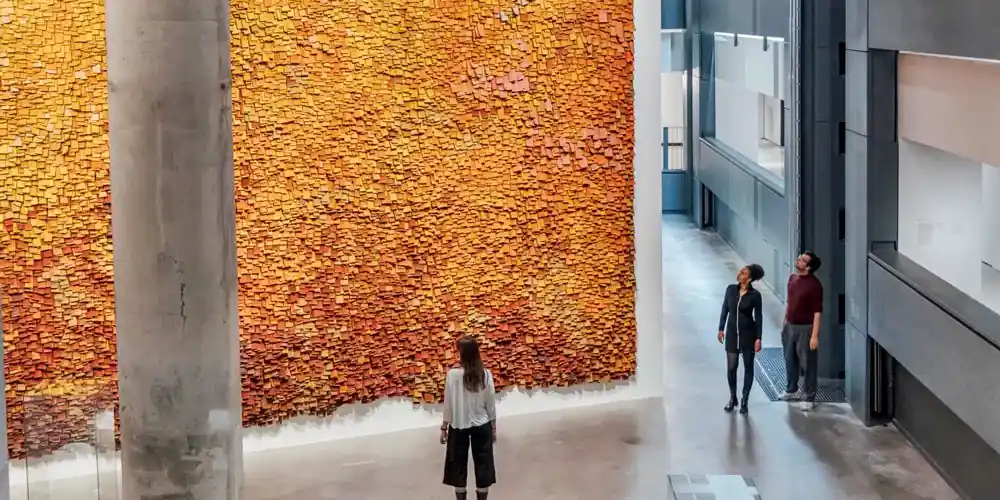 Exhibition gallery at Fondation Cartier – Fondation Cartier, Guillaume Ziccarelli
There is no permanent collection to see before moving on to the next gallery. Each exhibition occupies the entire museum, often bringing together painting, sculpture, photography, film, architecture, design, or large-scale installations.
The exhibition calendar changes several times each year, so check the current program before your visit. If a major exhibition is on view, reserving tickets online is a good idea.
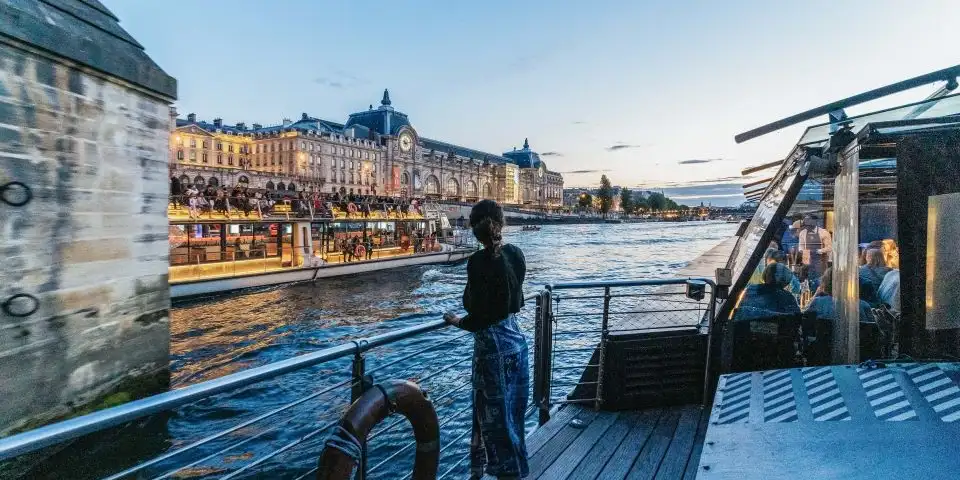
A Classic Seine Dinner Cruise
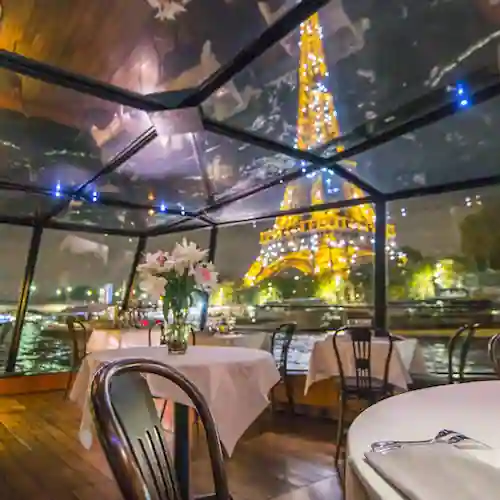
Dine on the Seine as Paris lights up around you, with French cuisine served aboard a glass-walled boat cruising past the Eiffel Tower, Notre-Dame, and Louvre.
Planning Your Visit
Allow about 90 minutes to two hours for your visit. Admission is timed during busy periods, so booking tickets online is recommended for popular exhibitions.
After your visit, continue through the Palais-Royal gardens, spend time at the Louvre, or walk across the Tuileries Garden toward the Seine.
Fondation Cartier Details
Address
2 Place du Palais-Royal, 75001 Paris
Metro
Palais Royal–Musée du Louvre
Allow
90 minutes to 2 hours
Tickets
Advance booking is recommended for popular exhibitions.
For current exhibitions, opening hours, and ticket information, visit the Fondation Cartier website.
Fondation Cartier FAQs
WHERE IS FONDATION CARTIER?
Fondation Cartier is at 2 Place du Palais-Royal in the 1st Arrondissement, opposite the Louvre.
DOES FONDATION CARTIER HAVE A PERMANENT COLLECTION?
No. The museum presents temporary contemporary art exhibitions that change throughout the year.
HOW LONG SHOULD I ALLOW FOR A VISIT?
Plan on spending about 90 minutes to two hours.
SHOULD I BUY TICKETS IN ADVANCE?
Advance booking is recommended for popular exhibitions and weekends.
See More Things To Do In Paris →
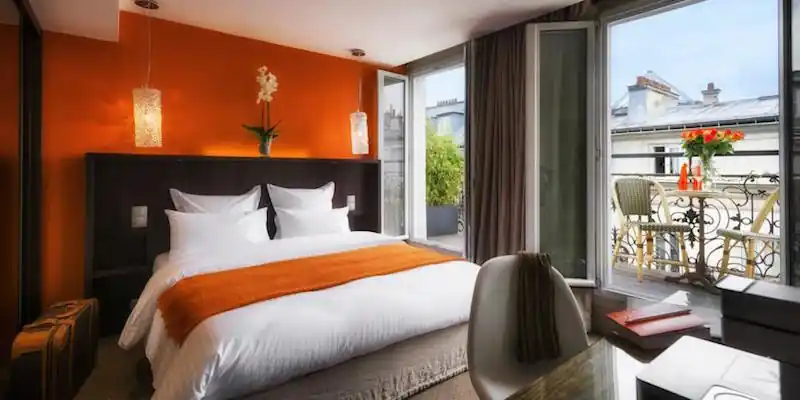
Find Your Paris Hotel: Choosing The Right Area
Wake up near the cafés of Saint-Germain, the streets of the Marais, or the village lanes of Montmartre. Find a Paris hotel in the neighborhood you want to call home.